
Wählen Sie unsere Ausrüstung für eine sichere Verpackung und einen besseren Ruf Ihrer Marke
ASTM D3078
Über uns
Introduction to ASTM D3078
ASTM D3078 is a standardized test method used for detecting gross leaks in flexible packaging containing headspace gas. This method plays a critical role in Qualitätskontrolle bei Verpackungen, ensuring that products remain sealed, fresh, and safe during transportation and storage. The test is particularly relevant for packages such as pouches, bags, and laminates used in food, pharmaceutical, and medical industries.
Using vacuum decay principles and observing bubble formation, ASTM D3078 allows professionals to assess the integrity of seals and detect potential weaknesses that could compromise product quality.
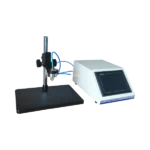
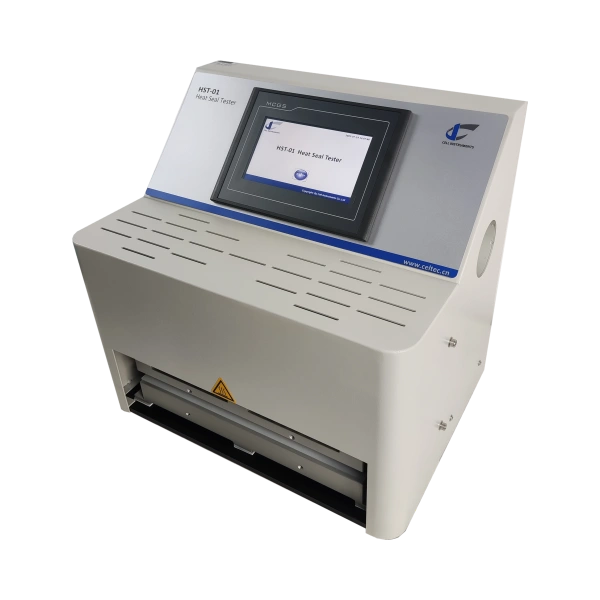
Die seal strength test und Blasenemissionstest are the core components of ASTM D3078 procedures.
- Seal Strength Test: Evaluates the mechanical integrity of the package seals. Weak or inconsistent seals can lead to leaks, product contamination, or spoilage.
- Bubble Emission Test: Uses a vacuum chamber to submerge packages in an immersion fluid. Leaks are visually identified as steady bubbles emitted from the packaging. Isolated bubbles from trapped air are not considered failures, ensuring accurate detection of true leaks.
These tests collectively help manufacturers confirm the vacuum integrity of flexible packaging and maintain high standards of product safety.
Seal Strength Test and Bubble Emission Test Overview
ASTM D3078 Test Procedure
The ASTM D3078 testing procedure is systematic and precise, ensuring repeatable results:
- Sample Preparation: Select representative specimens from production lines or comparative evaluations. The number of samples depends on package size, product nature, and testing objectives.
- Immersion in Fluid: Submerge the specimen in a fluid that does not degrade the packaging material. Typical fluids include water, water with wetting agents, mineral oil, or denatured alcohol. Fluid depth should cover at least 25 mm above the package surface.
- Vacuum Application: Close the vacuum chamber and gradually increase vacuum pressure, typically at 1 in. Hg per second, to the selected level. The vacuum should maximize sensitivity while considering package fragility and expansion.
- Observation: Watch for steady bubble progression from the package, indicating leaks. Avoid misinterpreting isolated bubbles caused by trapped air. Note any package volume changes, as excessive expansion can reduce test sensitivity.
- Hold and Release: Maintain the vacuum for the recommended duration (commonly 30 seconds). After releasing the vacuum, inspect packages for immersion fluid intrusion, which confirms leak presence.
This method allows precise identification of defects that could affect product shelf life and consumer safety.
Application Materials for ASTM D3078
ASTM D3078 is applicable to a variety of flexible packaging materials, including:
- Polyethylene (PE) pouches
- Laminated films used in food packaging
- Medical and pharmaceutical barrier packages
- Coated or multilayered paper and foil packaging
The test is suitable for packages containing headspace gas, providing reliable detection of gross leaks even in complex laminate structures.
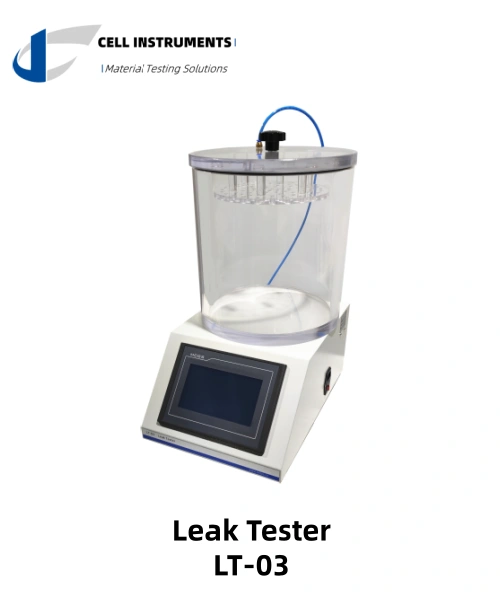
For enhanced testing accuracy and workflow efficiency, Cell Instruments LT-03 Dichtheitsprüfgerät is an ideal solution:
- High Sensitivity: Detects leaks as small as 1 × 10⁻⁵ atm·cm³/s
- Versatile Fluid Compatibility: Works with various immersion fluids without compromising package integrity
- Precision Vacuum Control: Gradually applies vacuum for accurate bubble emission detection
- Intuitive Interface: Facilitates observation and data recording for QC personnel
- Compliance Ready: Supports ASTM D3078 procedures for professional laboratory use
Integrating the LT-03 into your production ensures that packages meet stringent seal strength and leak integrity requirements, minimizing product recalls and enhancing consumer trust.
Advantages of Using Cell Instruments LT-03 Leak Tester
seal integrity testing method
Importance of ASTM D3078 in Packaging Quality Control
- Consumer Safety: Ensures products are properly sealed and free from contamination.
- Regulatory Compliance: Meets international standards for flexible packaging testing.
- Cost Reduction: Detects defective packages before shipment, reducing product loss.
- Process Optimization: Identifies weaknesses in sealing processes, guiding corrective actions.
- Reliability: Enhances confidence in packaging performance for sensitive products, such as pharmaceuticals or perishable foods.
Frequently Asked Questions (FAQ)
Q1: What types of packages can ASTM D3078 test?
A: Flexible pouches, laminated films, medical packaging, foil-sealed bags, and other packages with headspace gas.
Q2: How does the bubble emission test differ from other leak tests?
A: Bubble emission visually identifies gross leaks under vacuum, while other tests, like dye penetration, may focus on micro-leaks.
Q3: What immersion fluids are recommended?
A: Water, water with wetting agents, mineral oil, and denatured alcohol are commonly used, provided they do not degrade the packaging.
Q4: How long should the vacuum be maintained?
A: Typically 30 seconds, but duration may be adjusted based on package type and size.
Q5: Can small packages be tested simultaneously?
A: Yes, multiple small packages can be submerged together, provided all parts of each package are visible for leak observation.
A: Flexible pouches, laminated films, medical packaging, foil-sealed bags, and other packages with headspace gas.
 DE
DE  EN
EN  AR
AR  BG
BG  CS
CS  DA
DA  EL
EL  ES
ES  ET
ET  FI
FI  FR
FR  HU
HU  ID
ID  IT
IT  JA
JA  KO
KO  LT
LT  LV
LV  NB
NB  NL
NL  PL
PL  PT
PT  RO
RO  RU
RU  SK
SK  SL
SL  SV
SV  TR
TR  UK
UK